

You know it when you see it: that effortlessly cool graphic tee, the perfectly creased sneakers, the oversized hoodie that just works. Streetwear is more than just clothes; it’s a global language spoken through fabric and culture. But where did this ubiquitous style come from? How did it leap from gritty urban streets and sun-drenched skateparks to the runways of Paris?
The story of streetwear is a thrilling tale of rebellion, ingenuity, and cultural synthesis, born from two distinct American epicenters in the late 20th century.
West Coast Waves: Surfers, Skaters, and the Signature
Imagine Southern California in the late 1970s and early 80s. The beaches were buzzing with surfers, and skateparks were carved concrete kingdoms. This was a world built on freedom, a laid-back defiance against the mainstream. The uniform? Comfortable, durable, and functional – think Vans sneakers, denim, and graphic tees that echoed the bold art of the era.
Enter Shawn Stussy. A surfboard shaper from Laguna Beach, Stussy started scrawling his distinct, graffiti-inspired signature onto his handcrafted boards. To promote them, he screen-printed that same logo onto black Hanes T-shirts. What happened next was accidental genius: people wanted the shirts more than the surfboards.
Stussy wasn't just selling clothes; he was selling a piece of a lifestyle. He soon partnered up, and by 1984, the Stüssy brand was formally born. His genius lay in his retail strategy: limited runs, exclusive boutiques, and a sense of "if you know, you know." He created the International Stüssy Tribe (IST), a global network of DJs, artists, and skaters who became organic brand ambassadors. Stussy essentially drew the blueprint for authentic, scarcity-driven cool, proving that a brand could rise from the streets and speak to a global tribe without traditional advertising.

East Coast Beats: Hip Hop, Hype, and Harlem Luxury
While Stussy was building his empire on the beach, a different revolution was brewing in the concrete jungle of New York City. The late 70s and 80s saw the birth of hip-hop in the South Bronx – a powerful cultural movement encompassing music, dance, graffiti, and, crucially, fashion.
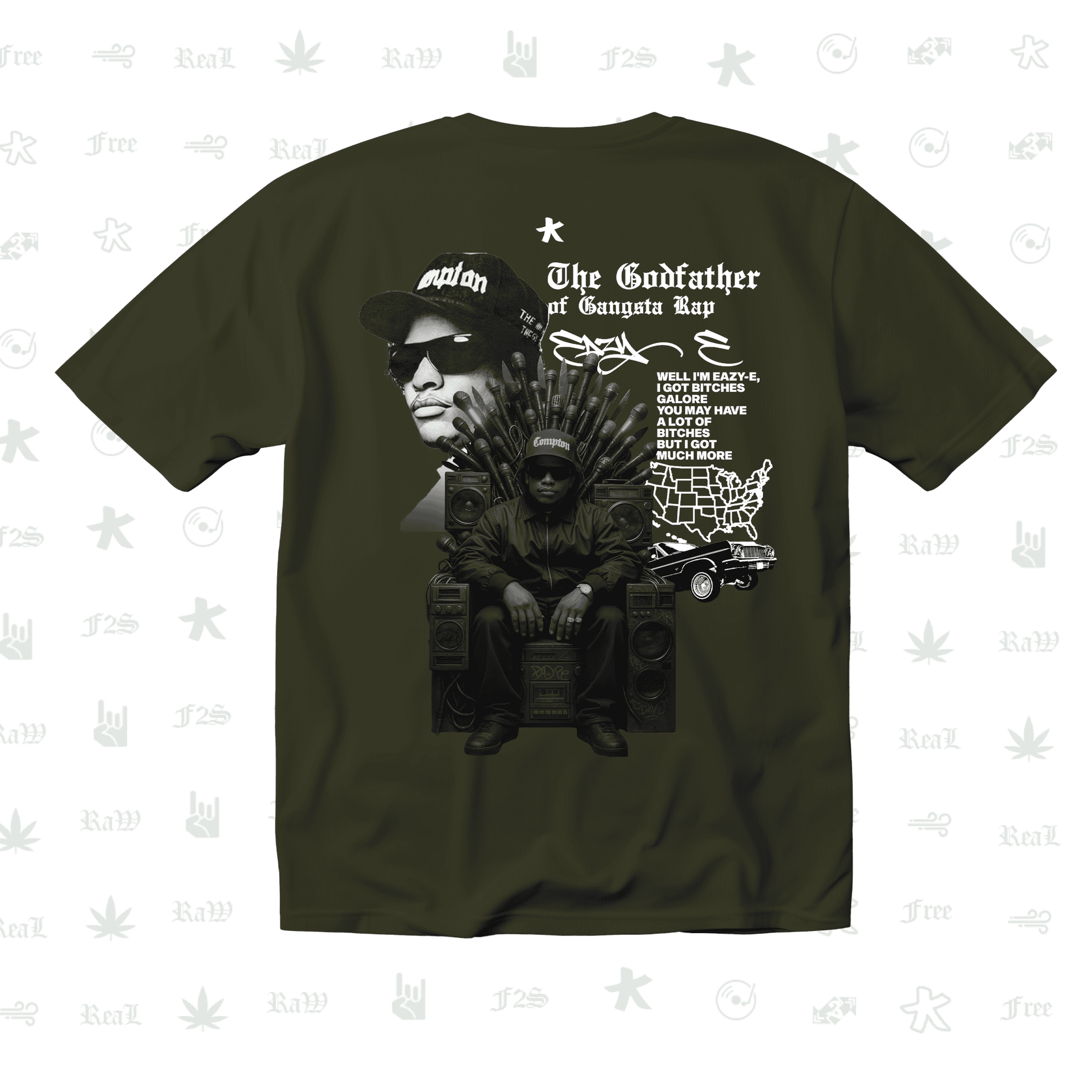
Early hip-hop style was a bold declaration of identity. Think Grandmaster Flash in crisp tracksuits, Run-D.M.C. in Adidas Superstars (often laceless, for that prison style), and heavy gold chains. It was a mix of sportswear, durable workwear, and aspirational luxury, all reinterpreted with a distinct urban flair. These artists didn't just wear brands; they gave them new meaning. Run-D.M.C.'s "My Adidas" led to an unprecedented endorsement deal, forever linking hip-hop to sportswear and setting the stage for artist-brand collaborations.
But no one epitomized this aesthetic redefinition quite like Dapper Dan of Harlem. In 1982, he opened his legendary 24/7 boutique. Dapper Dan wasn't selling off-the-rack luxury; he was creating bespoke, logo-laden masterpieces. He'd take the iconic patterns of Gucci, Louis Vuitton, and Fendi – brands inaccessible to his community – and print them onto custom leather jackets, mink coats, and tracksuits with exaggerated silhouettes.

It was more than "knock-offs"; it was an act of cultural translation, transforming symbols of old-world wealth into the aspirational language of the streets. Dapper Dan pioneered "logomania" and foreshadowed the high-fashion collaborations that would later define streetwear. His journey came full circle when, decades later, he officially partnered with Gucci.
The Rise of the Sneakerhead and Global Hype
Beyond the coasts, other influences shaped streetwear. The DIY, anti-fashion ethos of punk rock, with its ripped denim and customized jackets, resonated deeply with the rebellious spirit of skate and hip-hop. This infused streetwear with an authenticity that rejected mass-produced perfection.
But if there's one item that became streetwear's ultimate canvas, it's the sneaker. The 1985 release of the Nike Air Jordan 1 was a watershed moment. Michael Jordan's "banned" shoes, with their bold black and red, ignited "sneakerhead culture"—the obsessive collecting and trading of rare footwear. This wasn't just about performance; it was about story, scarcity, and cultural significance. The Air Jordan showed an entire generation how to value a product not by its price tag, but by its "hype."

This blueprint of hype found its ultimate expression in Tokyo's Ura-Harajuku district. Pioneering figures like Hiroshi Fujiwara (often called the "godfather of Japanese streetwear") acted as cultural DJs, blending Western influences with meticulous Japanese craftsmanship. Brands like Nigo's A Bathing Ape (BAPE) pushed scarcity to an extreme, creating playful, graphic-heavy designs that became global cult phenomena. Japan didn't just import Western streetwear; it refined it, re-exported it, and showed the world how to master the art of the limited-edition drop.
















































































































0 comments